
Introduction
One of the largest updates for our club which happened this year was the merge between STS club and STEM: Spotlight. As the leader of both clubs and my interest in tackling substance use disorder, I always had a lingering question in mind: how can we take something as personal and controversial as substance use and examine it through the STS lens which is both rigorous and multi-perspective? The merge provided an opportunity to address this question.
At the start of the year, I was motivated to design and lead an eight-session discussion series on substance use. Not to serve as a health lecture, a cautionary tale, but rather an inquiry to understand how science, technology, society, politics, and history come together to shape how we understand, experience, and respond to this issue.
Below is a brief summary and reflection on how the series unfolded.
Session 1: Intro to STS and Substance Use
Our first session started with the main question: What is STS, and why does it even apply to substance use? University STS programs, for example Stanford’s, describe their core purpose as understanding the complex interactions of science, technology, and the social world. Substance use is one of the unique issues where all three come together in ways that are rarely examined together. My initial goal was to open that space: who decides what counts as a drug problem? Whose research gets cited? Whose lived experience gets dismissed? What assumptions do we already have even before starting to talk about this issue? This first session set the tone we were here to examine the frameworks.
Session 2: Science I — The Adolescent Brain and Addiction
Our first deep dive was neuroscience. All of us, with the adolescent brain, are uniquely vulnerable to substance dependence. The prefrontal cortex, located at the very front of the brain, which is responsible for impulse control and long-term decision-making, is under development. We then moved beyond learning about the biological details to tackle the question of what it means to be aware of this, and how it has (or hasn’t) changed policy and public discourse in the society. Understanding the science behind substance use shifted framing from moral judgment to intellectual curiosity, and importantly, raised a question that we continued to explore throughout the series: why does scientific evidence rarely translate directly into action?
Session 3: Science II — Mental Health, Stress, and Risk Factors
Building on the neuroscience aspect of the issue, this session explored the well-documented co-occurrence of mental health conditions and substance use. Stress, trauma, anxiety, and depression all interact with substance use. This makes cause-and-effect narratives misleading. STS inquiry asks us to look critically at how scientific knowledge is produced and applied. Therefore, we examined why “addiction” is to this day frequently framed as a moral flaw of an individual in conversations despite plenty of research suggesting something else. The last question we explored involved on-spot literature review: Why do people start using these substances?
Session 4: Technology I — Harm Reduction Tools
For this session, we looked at technology as a form of practical intervention: naloxone dispensers, drug-checking services, supervised consumption sites, fentanyl test strips, etc. A key aspect of STS is to not just evaluate a technology’s effectiveness, but to understand the social and political conditions that actually determine whether it gets deployed. We discussed what harm reduction means as a philosophy: a public health approach that meets people where they are rather than where we wish they were. We also discussed why it remains contested even when the evidence supporting it is strong. This session involved one of the more heated discussions of the series, with members expressing their opinions on both sides.
Session 5: Technology II — Social Media and Digital Prevention
Technological advancements are double-edged swords: while they could cause harm, it can also prevent it at the same time. We first examined how social media platforms (with their design such as algorithms) and influencers create and contribute to norms regarding substance use among individuals who are unaware of them through glamorization, mass social influence, and algorithmic amplification. We then explored the growing digital prevention tools by asking STS-focused questions like who builds them, for whom, and what assumptions they contain.
Session 6: Society and Culture — Stigma, Peer Norms, and Pressure
We examined the role of stigma by considering how it goes beyond individual prejudice to act as a structural factor determining whether a person is provided medical care, criminalized, or sympathized with. Examining this issue through the STS framework, we can see how social norms are produced, maintained, and challenged rather than remaining neutral. To determine the actual significance of the social environment and how it interacts with our current knowledge of biology and policy in the context of substance use, we applied the lens to examine the effects of peer pressure and adolescent risk-taking behaviour.
Session 7: Politics and History — Criminalization, Harm Reduction, and Public Health
For this session, we focused on the policy. STS at the university level places significant emphasis on how scientific knowledge is produced and applied in the context of history and politics. This session was designed to implement this aspect. The history of drug criminalization in North America, the War on Drugs, and the racially uneven ways these policies were enforced and justified were all discussed. We looked at the conflict between criminal justice and public health frameworks of modern society, something that people in Vancouver can feel tangibly as it influences the streets of the city.
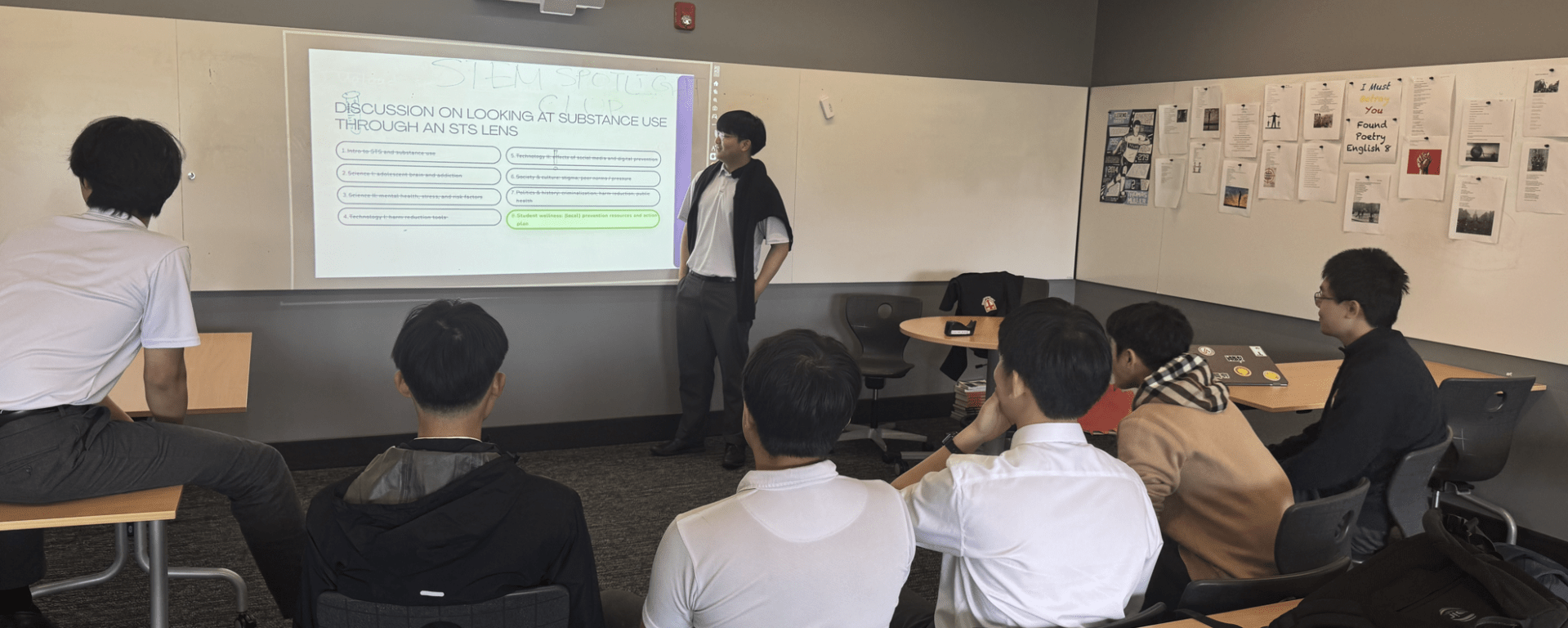
Session 8: Student Wellness — Local Prevention Resources and Action Plan
For our last discussion a few days ago, we wrapped up what we have learnt so far. The last remaining question, which asked what actions we can take, was the most challenging to answer. This captures the essence of what STS capstone courses are about, which is taking critical understanding of the issues (which we have developed over the course of the last seven sessions) and converting them to actionable solutions. We examined local resources that students can reach out to and discussed what peer environments that provide genuine support look like in daily settings. We then reflected on how our perspectives have changed as we progressed through the past couple months. The goal, which was to leave with better questions and have a clearer understanding of how each one of us fits into this issue, was achieved.
Reflection
Substance use is one of the topics where people either avoid engaging in conversations or get defensive. It was challenging for me to anticipate people’s responses when I first came up with the series plan. However, what surprised me was the willingness of the participants to sit down and wrestle together with this complex issue. We were successful in bringing many of the scientific, political, and personal aspects together. Although my initial intention was to broaden our club member’s understanding, my own has greatly expanded as well.
Using the STS framework to design this conversation turned out to be the best choice. It allowed us to go beyond “is this individual making morally good choices?” by asking “why do these problems / systems exist in the first place?” It also lets us move beyond treating science as something that operates in textbooks by considering the real-world implications.
If these discussions resulted in even a single person thinking through a more nuanced perspective, my initial goals are satisfied. I plan on running another series upcoming school year, so for anyone interested please contact me or any of our club leaders for details.
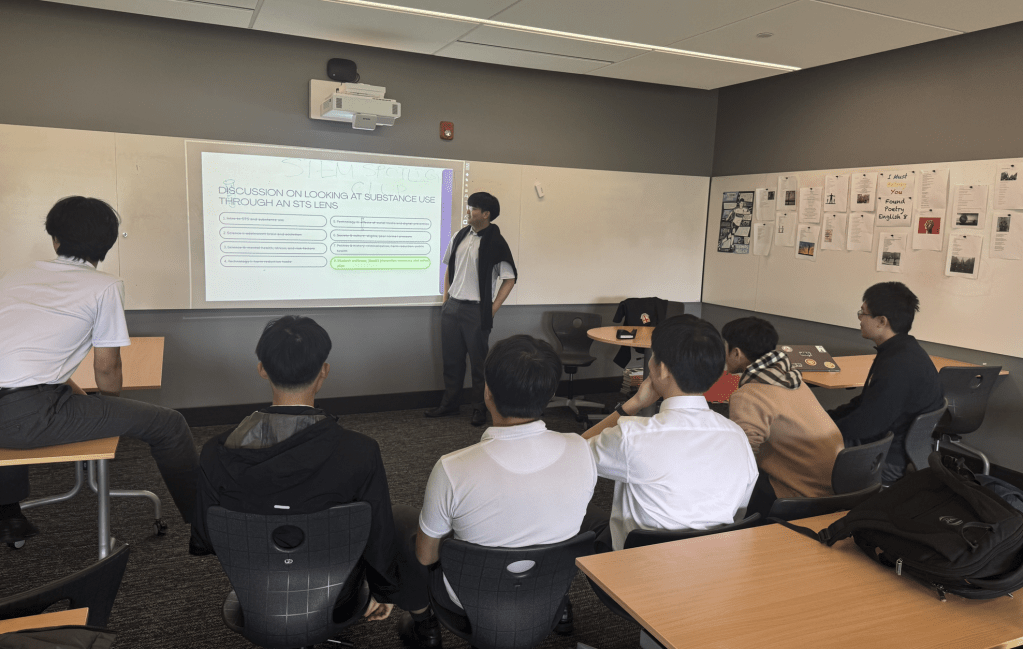
Figure 1. Our last discussion of the year.
 Spotlight: STEM Publication