
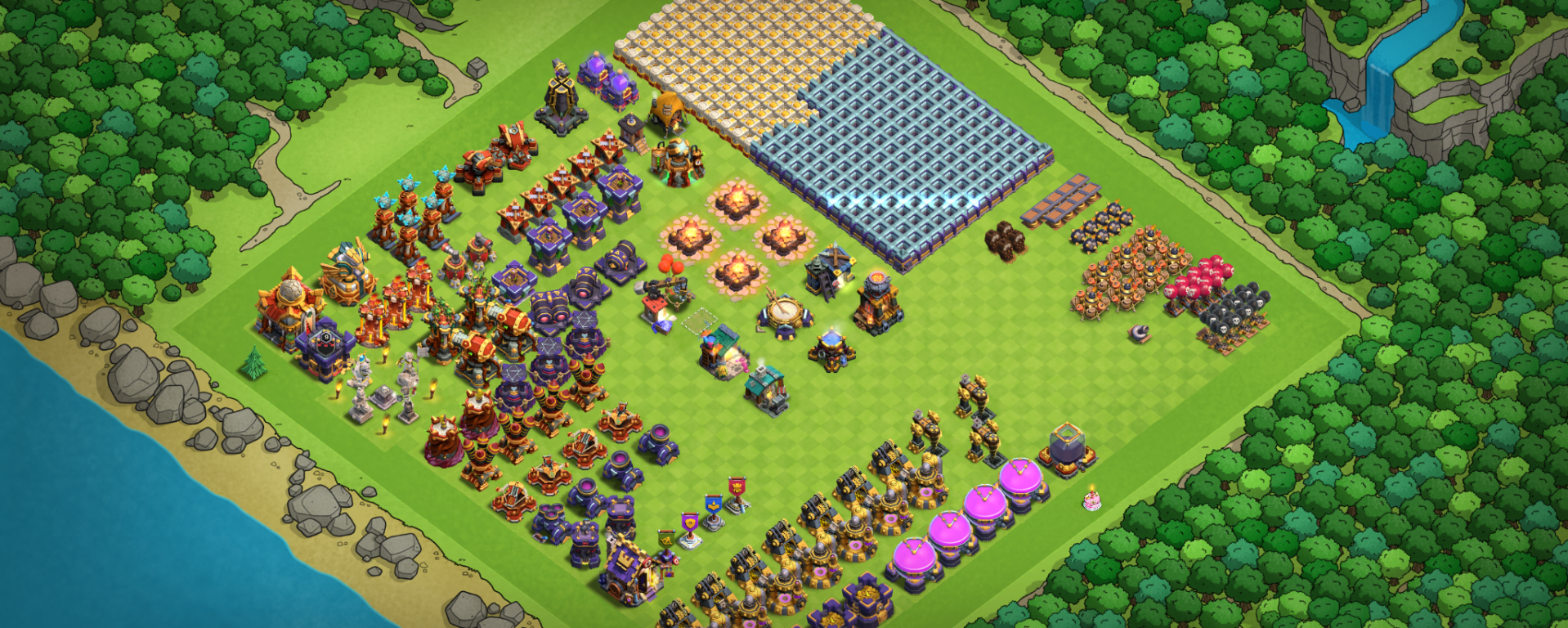
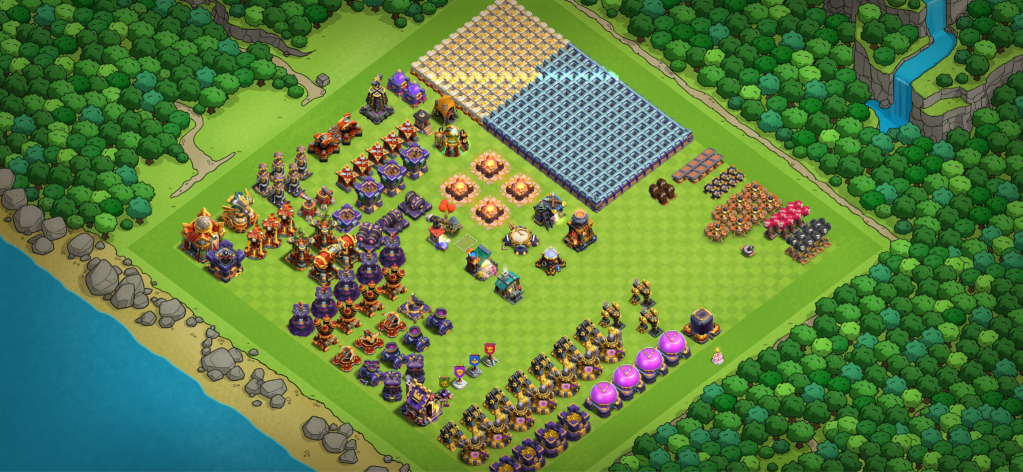
I do have extensive experience in long-term strategic planning, where resource allocation today determines capabilities months from now. My specialty is infrastructure development, where every investment decision has compound effects over time. I’ve operated environments where upgrade timelines spend days, all weeks, requiring careful sequencing. I’ve learned that patient systematic development beats inpatient scattered investment, and that strategic planning requires thinking 3 to 6 months ahead while executing daily tasks. Offensive planning and risk mitigation to find my approach. I understand that successful operations require detailed preparation and precise timing. I’ve operated where protecting core assets required lay security, and regular security audits are required to identify and address weaknesses.
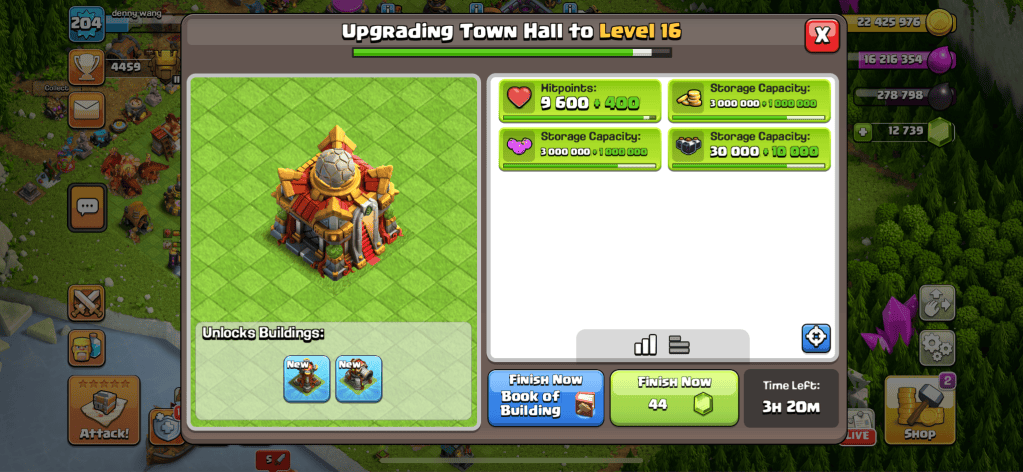
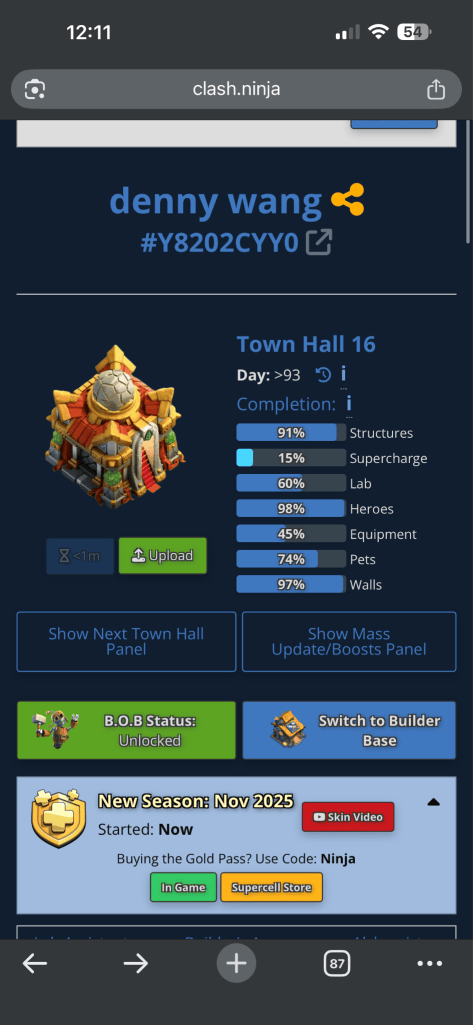
In my experience, each upgrade takes careful planning and patience. For example, upgrading a furnace in the laboratory takes around two weeks. During this time, I can only focus on upgrading one troop, and there are 29 troops, 9 spells, and 8 siege machines waiting to be upgraded. This makes scheduling important decisions very stressful since an upgrade can finish at 2 A.M, and if I wake up at 7 in the morning, that’s 5 hours of wasted precious time. Every decision affects the next, so I’ve learned to prioritize what brings the most long-term value. Playing Clash of Clans since grade 4, I have levelled up my barbarian king 95 times(5 levels away from maxing out), and each upgrade right now takes around a week to complete. Keep in mind, there are 5 heroes and the barbarian king is only one of them.
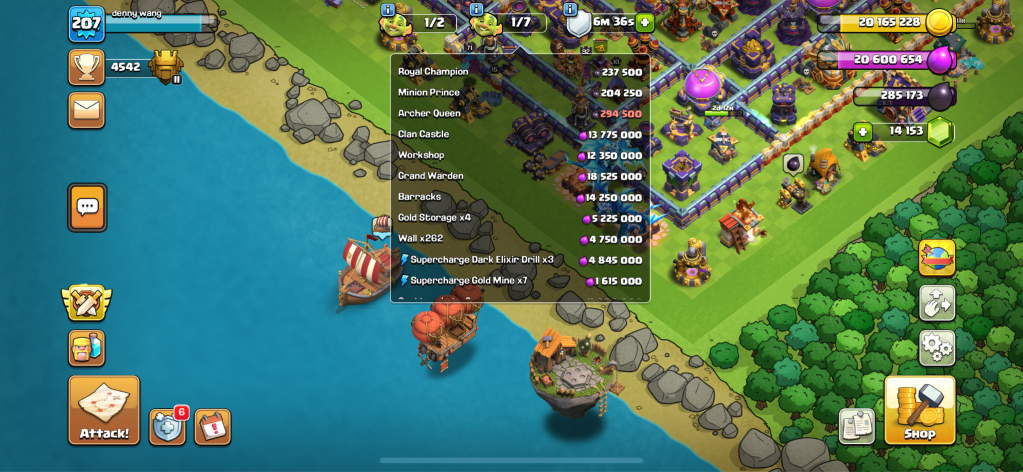
Each Clash of Clans improvement feels like a real-time resource economics experiment. Whether it’s a two-week furnace upgrade for offence or a 12-day Archer Tower upgrade for defence, the marginal value of improving a single troop or defence must always exceed its opportunity cost. Every choice I make becomes a little cost-benefit analysis because I can only enhance one army at a time. Should I supercharge my collectors for a little extra resources, or wait, since if another level comes out, it automatically removes the supercharge eupgrade?
Clan wars introduce another level of market competitiveness; the goal is not just individual development but also maximizing group return on investment. Each attack adds to the clan’s total yield, and a lack of cooperation can negatively impact the group’s performance ratings as a whole. Each player is a section managing their personal resources while coordinating with the clan’s larger monthly goals, which include clan medal payouts, clan experience, and victory bonuses.
Next is Clan Capital, the CoC economy’s collaborative fund. Each Capital Gold and raid medal functions as a combined investment in the improvement of infrastructure. As we deploy resources effectively, the value of the capital increases, much like when we spend revenues in R&D to increase production capacity. Here, a badly timed upgrade, like unlocking decoration for no benefit, will drastically slow down the improvement of the clan capital and GDP, since we only have 5 battles per week to earn Capital Gold.
Next is the Builder Base. There is only one builder at first who manages research, manufacturing, and growth all at once. There is a sunk cost for every minute of idle time. In the end, two builders work in unison to double production capacity and scale efficiency, making it the ideal example of capital expansion. Upgrade timeframes are still lengthy despite having fewer Town Halls and fewer defences than the main base, requiring careful planning and strategic patience. For example, I have had numerous times where my builder gold storage is full, but I have no builders to use it. Therefore, all of the attacks are wasted and can only profit me with builder Elixir.
Embedded within this process are several core components of STEM. Every upgrade becomes a quantitative optimization problem involving cost, time, marginal benefit, and opportunity cost. The village functions as an engineered system of dependencies and bottlenecks: improving one structure can increase the productivity of the entire network, while neglecting a core structure limits everything that depends on it. Clan wars then provide repeated experiments in which I test a strategy, analyze where it succeeds or fails, and adjust my design using the results as data. Beneath its fantasy setting, Clash of Clans is a continuous cycle of mathematical modeling, systems engineering, experimentation, and iteration.
 Spotlight: STEM Publication