
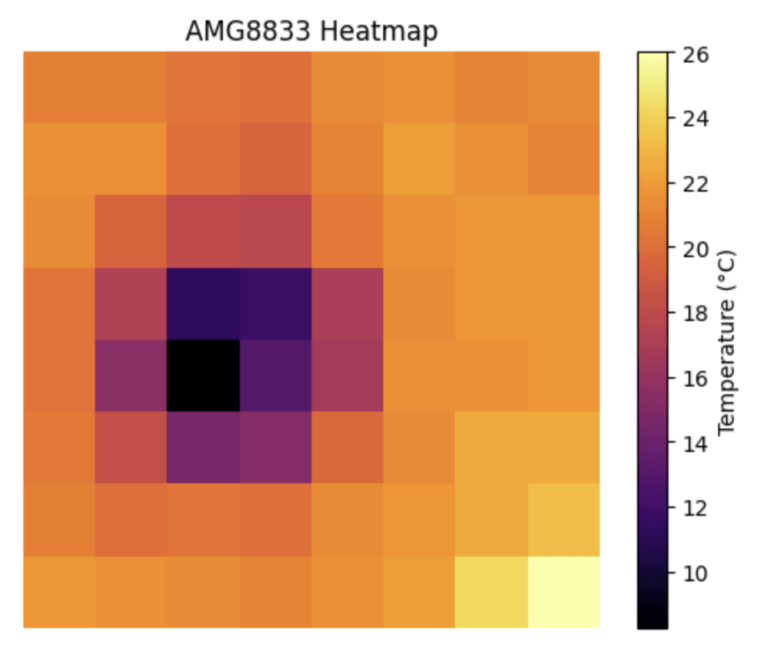
Figure 1. Heat map produced by the system from a container of ice cream.
I’m Tim, and last year I developed a low-cost wildfire-detection system using an Arduino-based payload (infrared sensor, GPS, microSD, and communication modules). The system was intended for deployment on lightweight drones and ground stations, prioritizing rapid detection and geolocation of small fires to reduce responder arrival time. Over a two-month timeline I iterated hardware prototypes, validated GPS and thermal sensing with field tests, and logged data for refinement; design choices favored simple, inexpensive components to keep the detection module below CAD 500 (target under CAD 100 achieved). Constraints included limited electronics experience and time, which led to modular, flexible designs that are easier to produce and scale. Ethical considerations (minimizing wildlife disturbance and using renewable power for stations) were incorporated. The project demonstrates a functional, low-cost prototype and documents code, planning, and test data for future development and deployment.
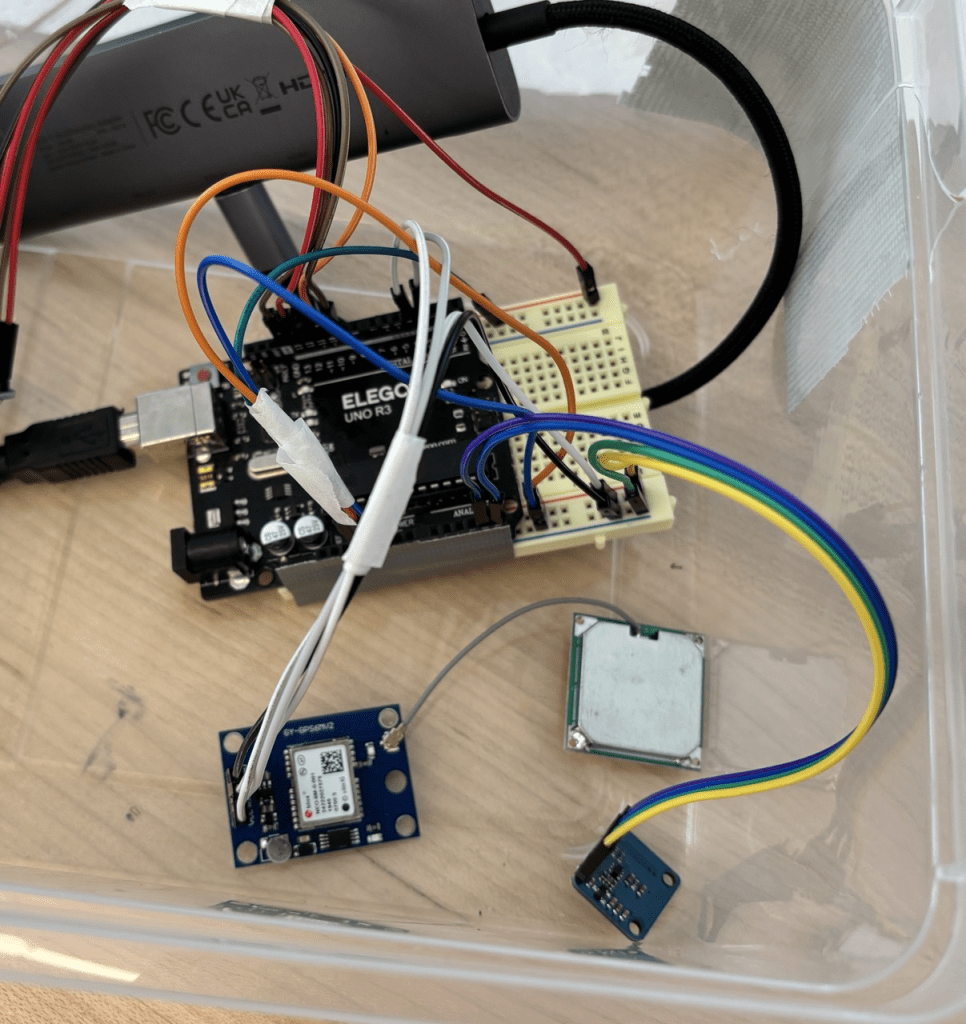
Figure 2. Second prototype with all modules integrated.

Figure 3. Digital sketch of envisioned final prototype.
If you’re interested in learning more, here is the full project report.
 Spotlight: STEM Publication